The Hidden Benefits of Dental Crowns for Damaged Teeth

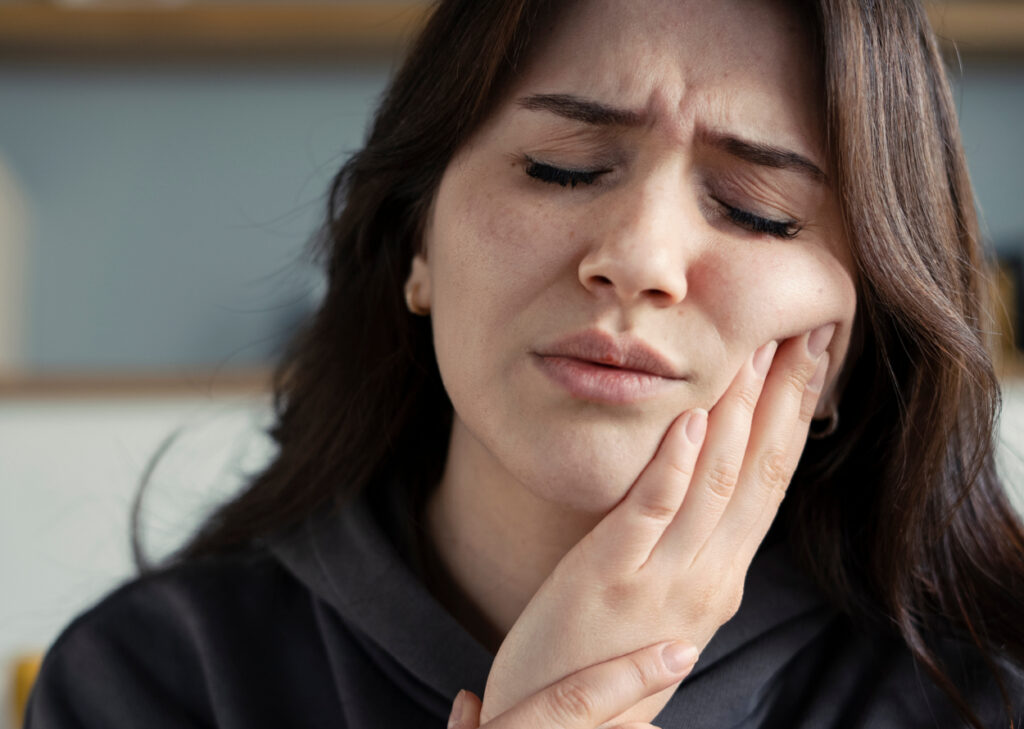

A damaged tooth rarely announces itself in dramatic fashion at first. More often, it starts as a cracked edge that catches on floss, a filling that keeps breaking, or a dull ache that appears when coffee is hot and water is cold. Many people come into a dental office focused on the obvious problem, pain, appearance, or the fear of losing a tooth. What they often do not realize is that the right restoration can solve more than the immediate issue. That is especially true with dental crowns.
Most patients understand crowns in simple terms. A crown covers a damaged tooth and helps save it. Accurate, but incomplete. In practice, crowns often deliver a series of quieter benefits that matter just as much over the next five, ten, or fifteen years. They can stabilize a bite that has gradually shifted, reduce the cycle of repeated repairs, protect a tooth after root canal therapy, and restore confidence in eating and speaking without the self-consciousness that follows visible damage.
The hidden value of dental crowns is not in the fact that they exist, but in the way they change the future of a compromised tooth.
More than a cosmetic cap
The phrase “cap” has lingered in everyday conversation for decades, and it gives people the wrong impression. It sounds simple, almost decorative, as though the dentist places a shell over a tooth and calls it a day. A properly made crown is far more precise than that. It is designed to recreate the shape, strength, and function of the original tooth while protecting what remains underneath.
That distinction matters because many damaged teeth are not merely chipped. They are structurally compromised. A large cavity may have hollowed out significant tooth structure. An old silver filling may have expanded over time and contributed to cracks in the surrounding enamel. A root canal treated tooth may no longer hurt, but it is often more brittle than before. In those cases, a standard filling can restore a portion of the lost tooth, but it may not adequately brace the walls that are left.
A crown changes the engineering of the situation. It redistributes biting forces across the tooth more evenly and helps hold vulnerable cusps together. This is one of the least appreciated benefits in everyday dental care. People often think of crowns as a last resort, when in reality they are frequently the treatment that prevents a worse outcome.
The benefit patients feel later, not right away
One of the most interesting aspects of dental crowns is that some of their greatest benefits are preventive. A person may not leave the office and think, “My tooth has been saved from a future fracture.” They simply notice that chewing feels normal again. Yet from a clinical standpoint, preventing the catastrophic break is often the real win.
Dentists see this pattern often. A molar has a large filling and a visible crack line. It may still be usable, and the patient may wonder why a crown is necessary if the tooth “isn’t that bad.” The problem is that cracked teeth do not always fail gradually. Sometimes they fail on a Tuesday afternoon while chewing a crust of bread or a handful of almonds. What could have been a straightforward crown turns into a split tooth, an extraction, and a much more expensive conversation about replacement.
That is part of the hidden value. A crown can be the treatment that keeps a manageable problem from becoming an irreversible one.
Bite stability is an overlooked reason crowns matter
When a tooth is damaged, people focus on the tooth itself. The mouth, however, works as a system. One cracked molar changes how a person chews. They shift to the other side, avoid certain textures, or unconsciously alter their bite to escape discomfort. Over time, that compensation can affect the jaw muscles, neighboring teeth, and even dental work elsewhere in the mouth.
A well-designed crown restores anatomy, not just bulk. The grooves, slopes, and contact points matter. If the biting surface is too flat, too high, or poorly contoured, the tooth may technically be covered but not truly restored. When the shape is right, chewing becomes balanced again. That can reduce localized strain and help distribute force more evenly across the arch.
This is especially important for patients who clench or grind. In those cases, the damaged tooth is often only one visible sign of a broader force problem. A crown by itself is not a cure for bruxism, but it can play an important role in stabilizing a weakened tooth within a heavy-bite environment. In practical terms, that means fewer sore mornings, less sensitivity around that tooth, and a lower chance of repeated fracture.
Dental crowns can reduce the repair cycle
There is a certain kind of dental history many adults recognize. A small filling becomes a bigger filling. The bigger filling chips and is replaced. A corner breaks off. Another repair follows. Eventually there is so little natural support left that the tooth enters a cycle of temporary fixes.
At that stage, the hidden benefit of a crown is not just durability. It is predictability.
Repeated patchwork can be frustrating for both the patient and the dentist. Each repair removes a bit more compromised structure, and each repair has less solid tooth to hold onto. Crowns are not indestructible, and they do require upkeep, but they often break that cycle. Instead of asking a weakened tooth to support another bonded repair in the same failing area, a crown provides full coverage and a fresh structural plan.
Patients usually appreciate this only after they have been through years of recurrent problems. They start to realize that the best treatment is not always the smallest one. Conservative dentistry matters, but so does choosing the restoration that gives the tooth its best long-term chance.
They can preserve natural teeth longer than many people expect
There is a common misconception that once a tooth needs extensive treatment, extraction may be the cleaner or more sensible option. Sometimes that is true. Some teeth are too fractured, too decayed, or too compromised to restore well. But many teeth that look questionable can function successfully for years when they are carefully treated and crowned.
Saving a natural tooth has practical advantages. Natural teeth preserve proprioception, the subtle feedback that helps you sense pressure when you bite. They also help maintain familiar chewing mechanics. Even with excellent modern replacements, nothing behaves exactly like the tooth you were born with.
This is where dental crowns quietly earn their place. They give a compromised tooth a second life, and in many cases, that second life is substantial. A crown is not a promise of permanence, because no dental restoration can honestly offer that. It is, however, often the difference between losing a tooth soon and keeping it serviceable for a meaningful stretch of time.
For many patients, that changes treatment planning completely. Delaying or avoiding extraction can preserve bone, reduce the need for more involved procedures, and buy time in a way that is both financially and biologically valuable.
Crowns after root canal treatment are about more than protection
Patients often ask why a tooth needs a crown after a root canal if the pain is already gone. It is a reasonable question. The treatment solved the infection, so why add another procedure?
The answer is mechanical, not symptomatic. Once a tooth has needed a root canal, it has usually already lost significant structure from decay, fracture, or prior restorations. On top of that, posterior teeth that have undergone root canal treatment tend to be more prone to fracture under function. They may feel fine until they suddenly do not.
A crown helps reinforce the remaining tooth and restore proper form. The hidden benefit is peace of mind in daily use. Patients stop babying the tooth. They can chew on that side again. They are less likely to experience the unpleasant surprise of a tooth breaking after substantial time and money have already gone into saving it.
This is one area where delaying can be costly. A root canal without timely coverage on a vulnerable molar is a setup for disappointment. The crown is often what converts successful endodontic treatment into a long-term functional result.
Appearance matters, but natural appearance matters more
When front teeth are damaged, aesthetics move to the front of the discussion immediately. A crown can restore a tooth that is discolored, worn down, fractured, or misshapen. That much is obvious. The less obvious benefit is psychological ease.
People adapt their behavior around visible dental damage more than they realize. They smile with closed lips, turn their head in photos, cover their mouth while laughing, or speak more cautiously because a broken edge changes how air moves across the tooth. These are not dramatic impairments, but they accumulate. They affect confidence in social settings https://waylonjkpn169.lucialpiazzale.com/how-dental-crowns-protect-teeth-after-large-fillings and at work.
A well-made crown does more than make a tooth white and symmetrical. It can restore a face to itself. The best anterior crowns are not showy. They match translucency, reflect light naturally, and sit in harmony with neighboring teeth. That kind of work requires judgment, communication with the laboratory, and attention to shade beyond a simple color tab.
When it is done well, the benefit is subtle and powerful. Other people do not notice the crown. The patient stops noticing the damaged tooth.
Material choice shapes the outcome
Not all crowns serve the same purpose equally well. Material selection influences strength, esthetics, wear on opposing teeth, and the amount of natural tooth reduction required. This is one reason blanket advice about dental crowns can be misleading.
All-ceramic crowns can be excellent for visible areas because they often mimic natural enamel beautifully. Zirconia offers impressive strength and has become common in posterior regions, though the ideal use depends on the case and the specific material. Porcelain fused to metal crowns still have a role in some situations, especially where strength and long-term performance are priorities, though the esthetic limitations are more obvious than with newer options.
The hidden benefit here is customization. A crown should fit the tooth’s job. A second molar in a patient who grinds heavily is not the same problem as a lateral incisor in a patient with high cosmetic demands. When the material matches the functional reality, the restoration is more likely to succeed and feel natural.
This is where clinical experience matters. The right crown is not simply the strongest one or the prettiest one. It is the one that suits the forces, the location, the remaining tooth structure, and the patient’s habits.
The process can reveal problems before they become serious
Even the steps involved in crown treatment can offer benefits people do not anticipate. Preparing a tooth for a crown requires careful evaluation. Dentists assess crack patterns, gum health, bite relationships, decay margins, and the condition of adjacent teeth. During that process, issues sometimes come to light that were masked by old restorations or vague symptoms.
A patient may come in expecting a simple fix to one tooth and discover a failing filling on the opposite side, a bite interference that is overloading the area, or early recession that changes margin placement decisions. This is not about finding extra work. It is about seeing the full picture before locking in a restoration.
A temporary crown also serves a purpose beyond filling time between visits. It can function as a test drive for shape, contacts, and comfort. If speech feels off, floss shreds between teeth, or biting seems uneven, those observations can guide refinements in the final crown. In skilled hands, the process itself becomes diagnostic and protective.
Longevity depends on habits as much as materials
Patients often want a number. How long do crowns last? The honest answer is that there is a range. Many crowns serve well for a decade or longer. Some fail sooner because of recurrent decay, fracture, cement breakdown, gum changes, or heavy parafunctional wear. Others last far beyond expectations.
What makes the difference is often ordinary behavior. Oral hygiene matters because decay can still occur at the margin where the crown meets the tooth. Night grinding matters because force can crack porcelain or stress the supporting tooth. Diet matters, particularly for patients who chew ice, use teeth as tools, or snack frequently on sugary foods that raise decay risk.
The hidden benefit of understanding this is agency. A crown is not something that simply happens to a tooth. It is a partnership between treatment and maintenance. Patients who brush well along the gumline, keep recall visits, and wear a night guard when indicated usually get more life out of their restorations.
A few practical habits consistently help:
- Clean around the crown margin carefully, especially at the gumline.
- Do not use crowned teeth to crack nuts, open packaging, or chew ice.
- Wear a night guard if you clench or grind in sleep.
- Address sensitivity, looseness, or food trapping early rather than waiting.
- Keep regular exams so small issues can be corrected before they become major ones.
None of that is glamorous, but it is the difference between a crown that performs quietly for years and one that needs premature replacement.
When a crown is not the right answer
A balanced conversation about crowns should include their limits. They are valuable, but they are not a universal solution. If a tooth has too little remaining structure, severe vertical fracture, uncontrolled decay below the gumline, or advanced periodontal instability, a crown may not be appropriate. In those cases, placing one can create false reassurance rather than durable function.
There are also situations where a more conservative option is better. Small chips, modest areas of decay, and certain cosmetic changes may be handled effectively with bonding, veneers, or onlays depending on the tooth and the stresses involved. Crowns require removal of some tooth structure, so they should be recommended with intention, not as a reflex.
The hidden benefit of a good crown evaluation, then, is not always receiving a crown. Sometimes it is learning that another treatment will preserve more natural tooth and still meet the goal. Sound dentistry is not about doing the most. It is about doing what fits.
Cost, value, and the long view
Crowns are a meaningful investment. There is no point pretending otherwise. Between examination, imaging, preparation, temporary restoration, laboratory fabrication, and final placement, the cost reflects time, materials, and technical precision. For patients paying out of pocket, that can feel steep compared with a filling.
The deeper question is value over time. A less expensive repair that fails repeatedly can cost more financially and biologically than a well-timed crown. There is also the value of avoiding emergency visits, preserving a natural tooth, maintaining function, and reducing the odds of escalating treatment such as extraction, implant placement, or bridgework.
This is where the hidden benefits become practical. Crowns are often judged only by the invoice on the day they are placed. Their real worth emerges over the years they prevent further breakdown.
For patients deciding whether to proceed, a few questions help frame the choice:
- How much healthy tooth structure remains?
- Is the tooth carrying heavy chewing load?
- Has it already had multiple repairs?
- Is there a crack or a history of pain on biting?
- What is the likely next step if this repair fails?
Those questions move the conversation away from short-term cost alone and toward long-term prognosis.
Why some crowned teeth feel better than the originals did
One of the more satisfying outcomes in restorative dentistry is hearing a patient say, a few weeks later, that the tooth feels “normal” again. Sometimes it feels better than it has in years. This does not happen because the crown is magical. It happens because the source of strain has been addressed precisely.
A damaged tooth often spends months sending subtle warning signs. Mild sensitivity. Pressure on release. A rough edge. Food packing between contacts. The person adapts little by little and stops expecting comfort. Then the crown restores proper contour, closes the contact, stabilizes a cracked cusp, and balances the bite. The absence of irritation feels remarkable because the patient had quietly normalized dysfunction.
That is perhaps the most hidden benefit of all. Dental crowns do not just repair teeth. In the right cases, they restore ease. Eating becomes unconscious again. Smiling becomes automatic. The mouth stops asking for attention.
For a treatment that is often described in purely technical terms, that human outcome is what matters most.
Oxnard Dentistry
Address: 1730 E Gonzales Rd, Oxnard, CA 93036
Phone number: +18056049999
FAQ About Dental Crowns Oxnard CA
How long do crowns last on teeth?
Dental crowns typically last 10 to 15 years, but can last 20 to 30 years with excellent oral hygiene. Lifespan depends heavily on the crown material, your daily brushing and flossing habits, and whether you clench or grind your teeth.
What is the downside of crowns on teeth?
The primary downside of dental crowns is that the preparation process is irreversible. To properly fit a crown, a dentist must permanently shave down a significant portion of your natural tooth enamel. This exposes the tooth to potential risks like nerve inflammation, increased sensitivity, and structural weakening.
Why do dentists push for crowns?
Dentists often recommend crowns to save a structurally compromised tooth. If a tooth is heavily cracked, worn down, or has a cavity too large for a filling, a filling will not provide enough structural support, causing the tooth to eventually split. Crowns act like protective helmets, preventing tooth loss.