What to Expect From Compassionate Dental Emergency Plano TX Care
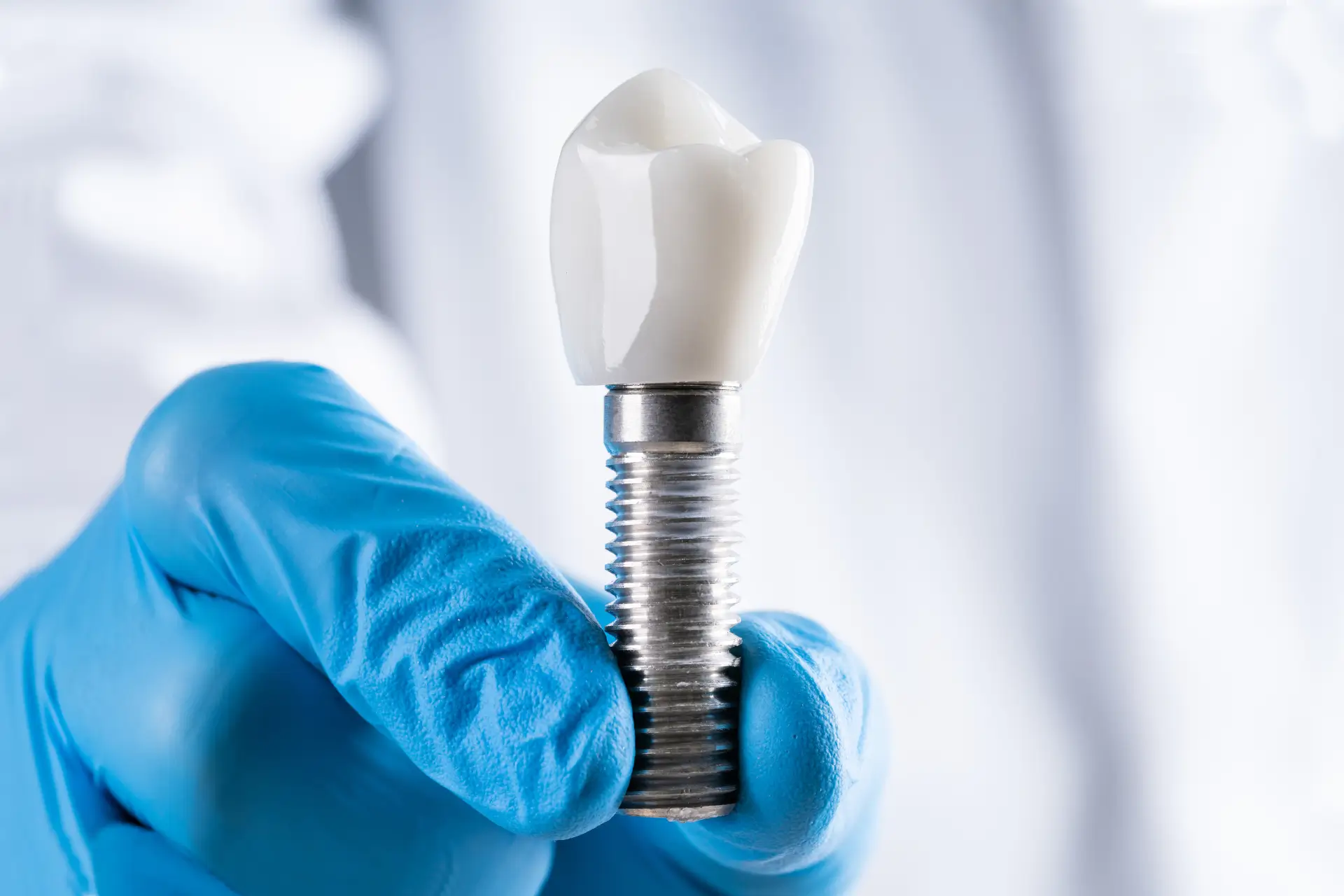
A dental emergency rarely arrives at a convenient time. It shows up during a workday, late at night, halfway through dinner, or on a weekend when most routines are already off track. One minute you are fine, the next you are dealing with sharp pain, swelling, bleeding, or a broken tooth that changes how you speak, eat, and even breathe. In those moments, people are not just looking for treatment. They are looking for calm, fast judgment, relief, and a team that understands they are scared.
That is where compassionate emergency care makes a real difference. When someone searches for Dental Emergency Plano TX services, they are often in pain and under pressure. They need answers quickly, but they also need to feel that they are in capable hands. The quality of emergency dental care is not measured only by how fast a patient gets into a chair. It is also measured by how well the team listens, explains what is happening, manages pain, and helps the patient move from crisis to stability.
The first priority is relief, not paperwork
Most people imagine emergency dental visits as rushed and clinical. In reality, the best offices know that pain changes everything. A patient with a cracked molar or an abscess is not in the best position to absorb jargon or make big decisions on the spot. Compassionate care starts with recognizing that reality.
At a strong emergency dental office, the first moments matter. The front desk does not treat the situation like a routine cleaning request. They ask focused questions, often about pain level, bleeding, swelling, trauma, fever, and whether the patient can open their mouth normally. Those details help the clinical team decide how urgent the issue is and how quickly the patient needs to be seen.
Once the patient arrives, the tone of the visit should reflect the urgency without creating panic. A thoughtful team moves efficiently while still making room for reassurance. Even a simple phrase such as “we’re going to get you comfortable first” can lower stress immediately. That is not a small thing. Anxious patients often tense their jaw, breathe shallowly, and expect the worst. A calm, confident approach helps the body settle enough for an accurate exam and safer treatment.
What counts as a true dental emergency
Not every dental problem requires same-day treatment, but many situations do. The line is not always obvious to patients, especially when pain comes and goes. I have seen people wait too long because they assumed the discomfort would pass, only to end up with a more complicated infection or a tooth that could have been saved earlier.
A true emergency often involves severe pain, uncontrolled bleeding, facial swelling, trauma, signs of infection, or a damaged tooth that affects function. A knocked-out permanent tooth is one of the clearest examples. Time matters enormously there. The chances of saving that tooth improve when a dentist evaluates it as https://elliottwtkj070.tearosediner.net/how-same-day-dental-emergenc-appointments-work-in-plano-tx quickly as possible. The same is true for spreading infections, especially if swelling reaches the gums, cheek, jawline, or under the eye.
A broken crown or lost filling may not sound dramatic, but context matters. If the underlying tooth is exposed and sensitive, the problem can escalate quickly. Likewise, a chipped tooth with no pain may wait a little longer, but a fracture that reaches the nerve can turn into an emergency within hours. Good emergency care depends on judgment, not just symptoms in isolation.
The emotional side of emergency dentistry is real
People often underestimate how personal dental pain feels. Toothaches can be relentless. They interfere with sleep, concentration, eating, and speech. Swelling can change someone’s appearance fast, which adds embarrassment to discomfort. Trauma to front teeth is especially upsetting because the problem is visible every time the person talks or smiles.
Compassionate care means the team recognizes that a patient may walk in feeling ashamed, worried about cost, embarrassed about how long they waited, or fearful because of a bad past experience. A skilled emergency dentist does not waste time assigning blame. They focus on the present problem and the best next step.
This matters for children, too, but adults often need it just as much. Many grown patients carry memories of rough treatment, poor anesthesia, or being dismissed when they said they were still in pain. An office that listens carefully, checks comfort often, and explains what it is doing earns trust quickly. During an emergency, that trust can determine whether treatment goes smoothly or becomes a struggle.
What usually happens at the appointment
Emergency visits are more structured than many people expect. The pace may be fast, but there is still a clear process. The dentist needs enough information to identify the cause of the emergency and decide whether the goal today is full treatment, temporary stabilization, or referral for a more specialized procedure.
In many cases, the visit begins with a brief health update and a focused history of the problem. The team may ask when the pain started, whether it is sharp or throbbing, whether heat or cold makes it worse, and whether swelling or fever is present. They may also ask whether the patient had recent dental work, trauma, sinus issues, or clenching habits. Those questions are not filler. They help narrow the source of pain, which is not always obvious. A patient may point to one tooth and discover the real issue is a neighboring tooth, gum infection, cracked restoration, or referred pain.
X-rays are common in emergency visits because many urgent problems are hidden below the surface. A tooth can look intact and still have a deep fracture or a spreading infection at the root. Sometimes additional imaging is needed if trauma involves the jaw or if the position of a damaged tooth is uncertain.
After the exam, a good dentist explains findings in plain language. This part is easy to overlook, but it matters. A patient in pain needs to know not only what the problem is, but what can be done today, what may need follow-up later, and what the likely costs and timelines are. Clarity reduces fear. It also helps the patient make practical decisions if more than one treatment path is possible.
Pain control should feel thoughtful, not rushed
One of the clearest signs of compassionate emergency care is how pain is handled. Patients often come in worried that treatment itself will hurt more than the dental problem. In a well-run office, comfort is built into the process from the start.
That may mean local anesthesia, drainage of an abscess when appropriate, smoothing a sharp fractured edge, recementing or temporarily covering an exposed tooth, adjusting a painful bite, or prescribing medication when clinically justified. The key is that relief is not treated as secondary. It is part of the emergency response.
Good dentists also understand that numbness is not a one-size-fits-all experience. Teeth with active infection can be harder to anesthetize fully. Lower molars are often more stubborn than upper front teeth. Patients with significant anxiety may need a slower pace, more explanation, or breaks during treatment. Compassionate care is not only about being kind. It is about recognizing the practical realities that affect comfort and taking them seriously.
Common emergencies and how they are typically managed
Emergency dental care covers a wide range of problems, and the first-day treatment often aims to stabilize rather than complete every step at once. That is normal. For example, a severe toothache caused by deep decay may require opening the tooth to relieve pressure, placing a medicated dressing, and scheduling a root canal or extraction shortly afterward. A cracked tooth may need temporary protection before a permanent crown is placed. A displaced tooth after trauma may need repositioning and splinting before long-term monitoring begins.
Here are some situations that often call for prompt evaluation:
- severe toothache with swelling or sensitivity that keeps worsening
- knocked-out, loose, or broken permanent tooth after trauma
- facial swelling, gum abscess, or drainage with a bad taste
- uncontrolled bleeding after an extraction or injury
- a cracked restoration or broken tooth exposing sensitive inner structure
Even within those categories, there are nuances. A small chip on a back tooth can sometimes wait a day or two. A small chip on a front tooth may need same-day attention if the edge is razor sharp or the inner dentin is exposed. A wisdom tooth problem may present as gum swelling behind the molars, but the true urgency depends on the degree of infection, the patient’s ability to swallow, and whether jaw opening is limited.
Swelling and infection deserve serious attention
Among all dental emergencies, infection is one of the most concerning because it can move beyond the tooth and gum tissues. Patients often assume a little swelling is not a big deal, especially if the pain temporarily eases after some drainage. That can be a dangerous misunderstanding.
A localized abscess may begin with tenderness and pressure around one tooth. Left untreated, it can spread into the surrounding soft tissue. Facial swelling, warmth, fever, and difficulty chewing are warning signs. If swelling affects the floor of the mouth, causes trouble swallowing, or interferes with breathing, that crosses into a medical emergency and requires immediate attention.
Compassionate emergency care does not minimize these signs. The dentist explains the seriousness clearly, treats what can be treated safely in the office, and refers out when the situation requires hospital-based care or a specialist. That is not alarmist. It is sound judgment. The right care is not always the most dramatic care, but it is always the care that matches the risk.
Trauma cases call for speed and precision
Sports injuries, falls, car accidents, and unexpected impacts can all damage teeth and supporting structures. Trauma is one area where minutes sometimes matter. A permanent tooth that has been knocked out has a better chance of survival if it is handled correctly and reimplanted quickly. Even when a tooth cannot be saved, prompt care can protect the bone and improve future replacement options.
With trauma, a compassionate office gives practical instructions over the phone before the patient arrives. If a permanent tooth has come out completely, the patient may be told to pick it up by the crown, not the root, gently rinse it if dirty, and keep it moist in milk or saliva if possible. Small details like that can influence the outcome.
Trauma can also involve hidden injuries. A tooth may not be loose or visibly broken, yet the ligament or nerve inside has been damaged. That is why follow-up matters after the initial emergency visit. Some teeth change over time after a blow. They may darken, become painful later, or show signs of internal damage on future x-rays. A careful dentist prepares the patient for that possibility instead of implying that one normal-looking exam settles everything.
Children, older adults, and anxious patients need a tailored approach
Compassion in emergency dentistry is often most visible in how the team adjusts care to the person in front of them. A frightened child with a lip injury and a broken baby tooth needs a different style from a healthy adult with a fractured crown. An older patient taking blood thinners or multiple medications needs different planning from a college student with a sports injury.
For children, speed and gentleness matter, but so does communication. The dentist often has to calm both the child and the parent. In those moments, plain language works best. Parents need to know whether the injury involves a baby tooth or a permanent tooth, whether an x-ray is necessary, and whether treatment today is meant to protect development of the adult tooth underneath.
Older adults present a different set of challenges. Teeth may have large existing restorations, root exposure, wear, gum recession, or reduced bone support. Medical history can complicate treatment decisions. A simple extraction may not be so simple in someone with fragile tissue, diabetes, a history of radiation, or certain bone medications. Compassionate care means taking that complexity seriously rather than pushing a quick fix that creates a larger problem later.
Patients with dental anxiety need perhaps the clearest form of compassion: respect without impatience. They may apologize repeatedly, cry unexpectedly, or delay treatment because fear kept them away. A strong emergency team does not mistake fear for noncompliance. They explain what they are doing before they do it, pause when needed, and build enough trust to get the urgent work done safely.
Cost conversations should be direct and respectful
Money is part of emergency dentistry whether people like it or not. For many patients, stress about cost begins before they even call. The best offices understand that and handle financial discussions with tact. No one wants vague answers when they are in pain, but no one wants to feel pushed into expensive treatment while vulnerable either.
Compassionate care includes realistic communication about immediate costs, what insurance may or may not cover, and whether today’s treatment is a temporary measure or the start of a larger plan. A patient with a broken tooth may need to choose between stabilizing the tooth now and pursuing definitive restoration later. A severely damaged tooth may present a choice between root canal therapy with a crown or extraction with future replacement options. Those are meaningful decisions. Patients deserve straightforward information about trade-offs.
A trustworthy office does not pretend every tooth can or should be saved. Sometimes the most compassionate recommendation is extraction because the tooth is not restorable, the infection is advanced, or the cost of heroic treatment outweighs the likely benefit. On the other hand, some teeth that look bad at first glance are worth saving if the root and surrounding bone are sound. Judgment matters.
What patients can do before they get to the office
A few simple steps can prevent a bad situation from getting worse while help is on the way. This is one of the few times practical first-aid advice really counts.
- rinse gently with warm salt water if the mouth is sore or irritated
- use a cold compress on the outside of the face for swelling after trauma
- keep a knocked-out permanent tooth moist and avoid touching the root
- avoid placing aspirin directly on the gum or tooth
- call promptly if swelling, fever, or bleeding is increasing
The key word is gently. Vigorous rinsing, poking at the area, or trying home repairs often creates more trouble. Patients sometimes use temporary cement from a pharmacy for a loose crown, which can be reasonable in select cases, but it should never delay professional evaluation if there is pain, visible fracture, or swelling.
The difference between emergency treatment and definitive treatment
One source of confusion in dentistry is that stopping the emergency does not always solve the whole problem. People understandably hope the first visit will fix everything, but that is not always possible or wise. A tooth with deep infection may become comfortable after drainage and medication, yet still require root canal therapy or extraction. A fractured front tooth may be smoothed and protected on day one, then rebuilt cosmetically once the nerve status is clearer.
Compassionate care means setting expectations honestly. The dentist should explain whether today’s procedure is a final repair or a temporary step designed to buy time, reduce pain, and protect the area. Patients appreciate that candor. What they dislike is being told later that the “fix” was never meant to last.
This is especially true with cracked teeth. Cracks vary widely. Some are shallow and manageable. Others run deep under the gum or split the tooth in ways that no crown can fully rescue. Symptoms can also be inconsistent, with pain when biting but not at rest, or sensitivity to cold that disappears for days. A careful emergency dentist explains the uncertainty when it exists instead of offering false certainty.
Why local experience matters in a fast-growing area
Plano is a busy city with families, professionals, school sports, commuter schedules, and all the unpredictability that comes with an active community. In a place like that, timely access matters. A patient may need same-day care between meetings, after a child’s game, or before travel. Offices that are experienced in Dental Emergency Plano TX care tend to understand those pressures. They are often better organized for urgent triage, imaging, referrals, and follow-up because emergency requests are a routine part of practice, not a disruption.
That practical experience shows up in small but meaningful ways. The team knows how to tell the difference between a patient who can safely wait until the afternoon and a patient who needs to come in immediately. They know which specialist referrals move fastest when oral surgery or endodontic care is needed. They know how to stabilize a problem so the patient can function until definitive treatment is scheduled. Those things may not sound dramatic, but they shape the patient’s experience in a very real way.
Aftercare is part of compassionate care
The emergency appointment does not end when the patient stands up from the chair. Good aftercare instructions reduce complications and help patients feel supported once the numbness wears off and the adrenaline fades.
That may include guidance on eating, brushing around a tender area, managing soreness, taking prescribed medication properly, and recognizing warning signs that mean the patient should call back. A thoughtful office also makes follow-up easy. If a root canal, crown, extraction, or specialist consult is needed, the next step should be clear before the patient leaves.
This matters because patients often feel much better the next day and then lose momentum. Pain relief creates the illusion that the problem is gone. It may not be. A tooth with decayed structure below a temporary filling is still vulnerable. A treated abscess still needs the source addressed. A traumatized tooth may need monitoring for months. Compassion includes saying that clearly without sounding severe.
What people remember most
Ask patients what stood out in a dental emergency, and many do not first mention the x-ray, the injection, or the restoration. They remember whether someone believed their pain, whether the dentist took time to explain the situation, whether the staff treated them like a person rather than a scheduling slot, and whether they left with a real plan.
That is the heart of compassionate emergency dentistry. Skill matters, speed matters, and modern tools matter, but care feels different when it is delivered with patience and sound judgment. The best emergency teams are efficient without being cold, reassuring without being vague, and honest without being harsh. They know that a dental emergency is never only about a tooth. It is also about fear, time, function, appearance, and trust.
When those pieces come together, patients do not just get treatment. They get steadiness in a stressful moment, and that is often what they need most.
Vitality Dental
Address: 1220 Coit Rd #106, Plano, TX 75075
Phone number: +19726454100
FAQ About Dental Emergency Plano TX
What can the ER do for a tooth?
An emergency room (ER) can manage pain and treat severe infections with medication, but it cannot fix or pull a tooth.
What is considered a dental emergency?
A dental emergency is any oral health problem that involves severe pain, uncontrollable bleeding, or an infection that threatens your health or requires immediate care to save a tooth.
Is there a 24-hour dental service in Plano, TX?
There is no physical dental clinic in Plano, Texas, that stays open with walk-in staff 24 hours a day, but several offices offer 24/7 phone support, late-night hours, or same-day emergency care.