Your First Invisalign Consultation: What Happens?
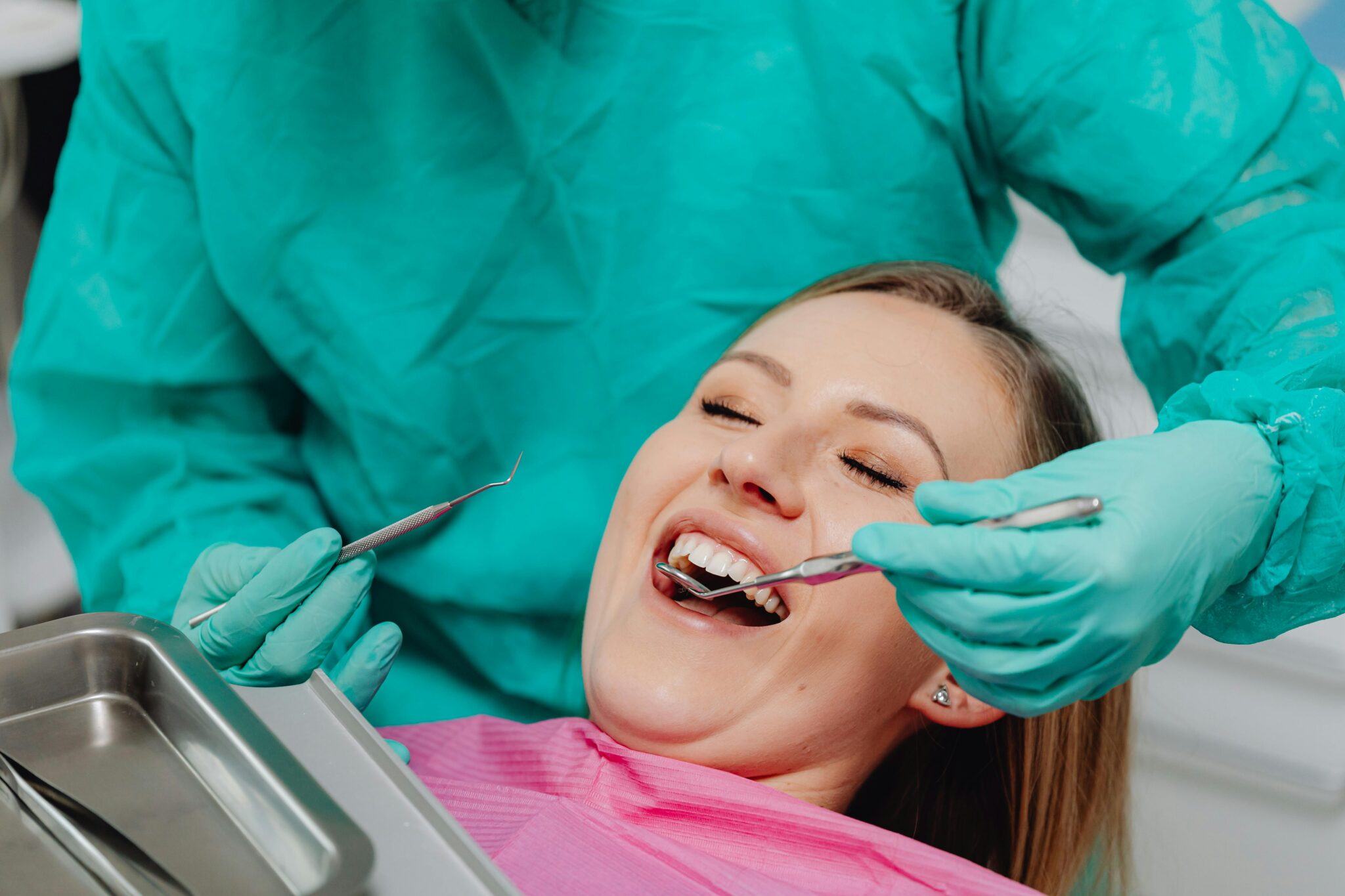
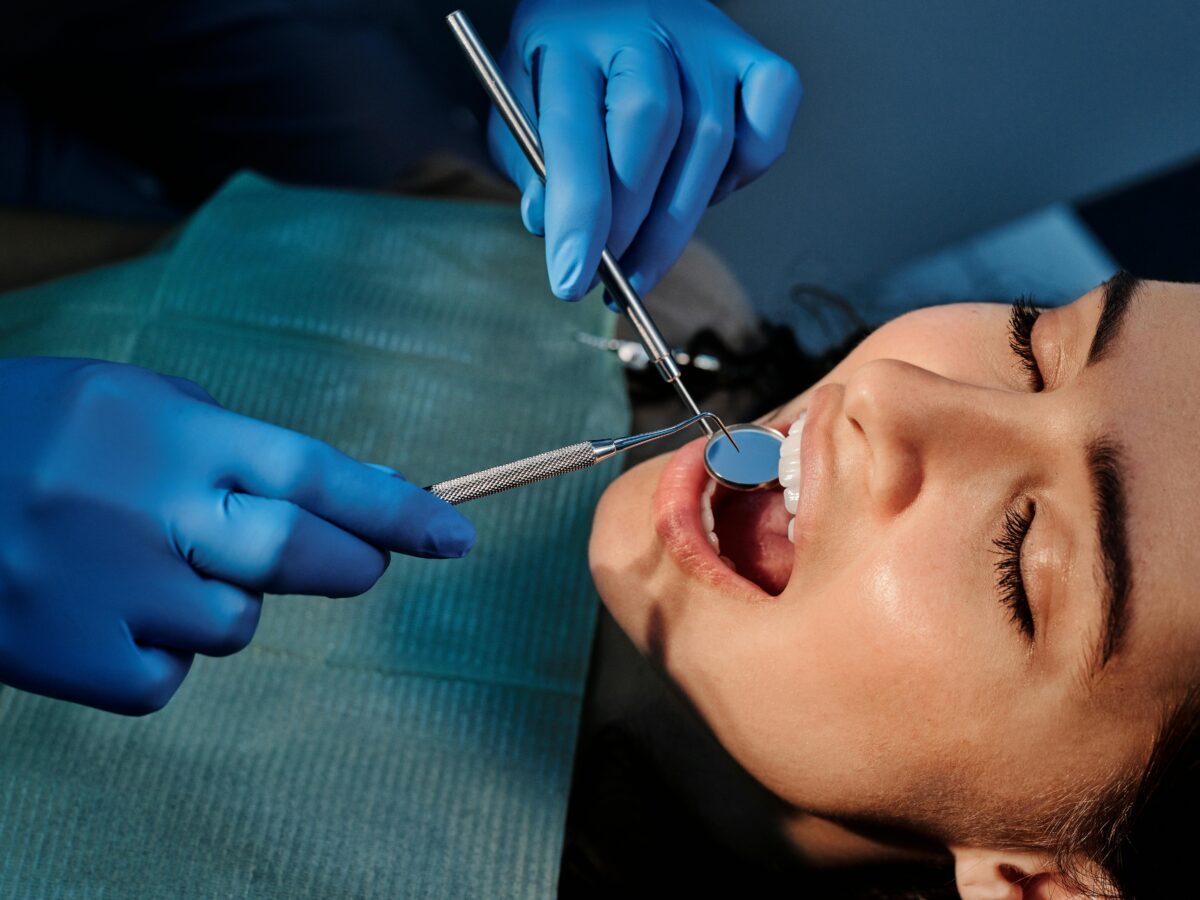
If you are thinking about straightening your teeth with Invisalign, the consultation is the moment when vague curiosity turns into a real treatment plan, or sometimes a sensible decision to wait. Many people walk into that first visit expecting a quick yes or no. In practice, a good consultation is more thorough than that. It is part clinical exam, part planning session, and part reality check about what aligners can and cannot do.
I have seen patients arrive with a very simple question, usually something like, “Can Invisalign fix this one crooked tooth?” Ten minutes later, we are talking about bite relationships, gum health, attachments, wear time, and why that one crooked tooth is really a symptom of a bigger alignment issue. That is not meant to make the process sound intimidating. It is actually one of the strengths of a proper Invisalign consultation. You leave with a clearer understanding of your mouth, your goals, and whether this approach fits your life.
The first few minutes are usually less clinical than people expect
Most consultations start with conversation, not equipment. You will be asked what brought you in, what bothers you about your smile, and whether your concerns are cosmetic, functional, or both. Some patients care mostly about crowding in the front teeth. Others mention bite discomfort, chipping, difficulty cleaning, or relapse after braces years ago.
This part matters more than people realize. Two patients can have teeth that look similar on a scan and still need different plans. A bride who wants visible improvement before a wedding in eight months may prioritize differently from someone who is mainly trying to reduce long-term wear on their lower incisors. A teenager with a parent managing the process is different from a busy professional who travels constantly and worries about compliance.
Expect questions about your dental history too. If you had braces before, your orthodontist or dentist will want to know when, for how long, and whether you still wear a retainer. If you grind your teeth, have jaw pain, or have had gum disease, that can influence how treatment is planned. The same goes for missing teeth, implants, crowns, and veneers. Invisalign can still work very well in those situations, but the mechanics are different, and it helps to know that from the start.
Your mouth has to be healthy before teeth are moved
One of the biggest misconceptions about Invisalign is that it starts as soon as you decide you want it. Often, the first consultation reveals work that should happen first. Cavities, inflamed gums, broken fillings, or heavy tartar buildup can all delay treatment. Moving teeth in an unhealthy mouth is not good practice.
If your gums bleed easily, for example, that is a sign worth taking seriously. Aligners sit closely over the teeth, and oral hygiene has to be good throughout treatment. If plaque control is poor at the beginning, problems tend to get worse, not better. In many offices, a patient with untreated gum disease will be referred for periodontal care or at least a thorough cleaning before aligners are ordered.
This is also the point when restorations are reviewed. Crowns and fillings are not necessarily obstacles, but they can affect how attachments bond or how certain teeth move. Implants are a special case because they do not move at all. If part of your bite is built around an implant, treatment planning needs to account for that fixed anchor.
The exam is looking at much more than straight front teeth
A proper Invisalign consultation includes an orthodontic exam, even if your main concern is cosmetic. That means your provider is checking how your upper and lower teeth fit together, how much room exists, whether your midlines line up, and whether there are signs of grinding or uneven wear.
A lot of people are surprised when the discussion shifts from the one tooth they dislike to the way their back teeth meet. That shift is important. Straight teeth that do not function well can create new problems. If your bite is deep, open, crossbite, edge-to-edge, or significantly crowded, the treatment plan may need to address more than appearance. Sometimes that makes the timeline longer. Sometimes it changes whether Invisalign is the best option at all.
This is also when your provider may evaluate jaw movement and facial balance. Orthodontics is not just about lining up enamel in a row. Lip support, smile width, tooth display, and profile can all influence planning. Not every consultation goes deeply into all of those topics, but a thoughtful provider considers them, especially in adult cases where subtle changes can have a big impact.
Photos, scans, and sometimes X-rays tell the real story
Once the conversation and exam are underway, records are usually taken. In modern Invisalign consultations, that often means a digital scan rather than the old putty impressions many people remember from braces or retainers. The scanner creates a 3D model of your teeth in a few minutes. It is one of the more useful parts of the appointment because it turns abstract talk into something visible.
Patients tend to like this moment. You can actually see the crowding, spacing, or bite irregularities from angles you have never seen before. Small rotations that looked minor in the mirror can appear more significant on the scan. The opposite also happens. Some people arrive convinced their teeth are a disaster, then see that the problem is moderate and manageable.
Photos are also standard. These include close-up images of the teeth and wider smile or face photos. They help with planning and with tracking progress later. X-rays may be taken at the consultation or reviewed if they are recent. These are important because aligners move roots, not just visible crowns. Your provider may be checking bone support, root shape, impacted teeth, old dental work, and signs of pathology.
A scan alone does not determine candidacy. It is a powerful tool, but it is only one piece of the diagnosis. Good treatment planning still depends on the person reading it and understanding what can realistically be achieved.
You may see a digital preview, but it is not a promise
Many offices show patients a digital simulation of possible tooth movement. This can be helpful, and it is often one of the most exciting parts of the consultation. Seeing a rough before-and-after image makes the process feel tangible. It can also help explain why certain teeth need to move in sequence, or why small spaces may be opened or closed to improve alignment.
Still, it is worth keeping your expectations grounded. That preview is not the finished blueprint and it is not a guarantee of the exact final result. Invisalign treatment plans are refined after the provider submits records and reviews the proposed setup. Teeth do not always move biologically as neatly as software predicts. Some cases need midcourse corrections, additional aligners, or small changes in goals.
This does not mean the preview is misleading. It means orthodontics is part engineering and part biology. Teeth move through bone, under pressure, in a living system. Compliance, attachment retention, bite forces, and individual response all matter. A trustworthy consultation explains that clearly rather than overselling a screen image.
The provider is also judging whether you are a good Invisalign candidate
People often ask whether Invisalign works as well as braces. The honest answer is that it depends on the case and the patient. Many orthodontic problems can be treated very effectively with Invisalign. Some are better managed with braces, especially if tooth movement is complex, compliance is doubtful, or there are significant skeletal issues involved.
During the consultation, your provider is quietly assessing more than your teeth. They are thinking about your lifestyle and whether aligner treatment suits it. Invisalign only works when it is worn consistently, generally around 20 to 22 hours a day. That can be easy for some people and unexpectedly difficult for others. If you snack frequently, travel often, or know you are forgetful, those habits matter.
Age does not automatically make someone a better or worse candidate. Motivation does. I have seen teenagers handle aligners beautifully and adults struggle because they keep removing them for coffee, meetings, or social events. I have also seen adults succeed precisely because they are motivated and appreciate the flexibility. The consultation is the right place to be candid about your routines. It is far better to have that conversation early than to discover six months in that the treatment style does not match your habits.
Attachments, elastics, and refinements are where expectations get more realistic
A lot of marketing around Invisalign focuses on the aligners being nearly invisible, removable, and convenient. All of that is true, but the consultation should also cover the details that make real treatment work. Most cases need attachments, those small tooth-colored bumps bonded to certain teeth to help the aligners grip and guide movement. Some patients also need elastics to correct bite relationships. A few may need interproximal reduction, which is a conservative polishing between teeth to create a small amount of space.
These details are not red flags. They are normal parts of effective treatment. The problem comes when someone walks in expecting a perfectly smooth, almost magical process and is never told about the practical side. Attachments can feel odd at first. Elastics require discipline. Refinements, meaning extra rounds of aligners after the original series, are common enough that they should be discussed upfront.
This is often the stage in a consultation when a patient decides whether the trade-offs feel acceptable. For most people, they do. But it is much easier to commit when you know what you are committing to.
Time and cost are usually discussed in ranges, not guarantees
Patients naturally want two answers before they leave: how long will it take, and how much will it cost? A good provider will give you estimates, but careful ones. Simple alignment cases may take several months. More involved bite correction can take well over a year. There is no single Invisalign timeline that applies to everyone.
The same is true for cost. Fees vary based on complexity, geography, provider experience, and what is included, such as retainers, refinements, and follow-up visits. Some offices bundle everything into one comprehensive fee. Others separate records, replacement aligners, or retention. If the quote sounds vague, ask what is and is not included.
A straightforward way to think about the financial side is this: you are not just paying for plastic trays. You are paying for diagnosis, treatment design, monitoring, adjustments, and retention planning. That distinction matters because people sometimes compare fees as if they are buying an identical product from different shelves. In reality, provider judgment plays a major role in the outcome.
Questions worth asking before you commit
If you like what you hear during the consultation, it helps to leave with practical clarity rather than general enthusiasm. A few direct questions can save you confusion later.
- Is Invisalign the best option for my case, or simply one option?
- How many hours a day do you expect me to wear the aligners?
- Will I likely need attachments, elastics, or refinements?
- What is included in the quoted fee, especially retainers and follow-up care?
- What happens if a tray does not fit well or I lose one?
Those questions tend to produce more useful answers than “Will this hurt?” or “Will it work?” The short answers to those broader questions are usually yes, a little, and yes, if the plan and compliance are good. The more specific questions get you into the details that actually shape your experience.
Discomfort, speech, and daily routine usually come up before the appointment ends
Most consultations include a practical conversation about what life with aligners feels like. This is where patients relax a bit because the mystery wears off. Yes, new trays typically create pressure for a day or two. No, it is not usually severe pain, but some teeth may feel surprisingly tender when chewing. Speech changes can happen at first, particularly with s and sh sounds, though most people adapt quickly.
Eating is different mainly because aligners must come out first. That means less casual snacking, more trips to rinse and brush, and a stronger routine around meals. For some patients, this structure is actually a benefit. They snack less, keep their teeth cleaner, and become more aware of habits that were not serving them anyway. For others, especially people with unpredictable workdays, it can feel like more management than expected.
I once spoke with a patient who was thrilled by the idea of removable aligners until we walked through her actual day. She was a nurse on long shifts, drank coffee in short bursts, and often grabbed quick snacks when she could. Once she saw how that routine would affect wear time, she decided to delay treatment until a schedule change made compliance more realistic. That was a good consultation, not a failed sale.
Not every consultation ends with a same-day yes
Some patients decide on the spot. Others go home to think, compare options, or sort out finances. A good office should be comfortable with that. Orthodontic treatment is elective for many adults, and there is no benefit in rushing a decision you do not fully understand.
If you are offered same-day discounts, do not let that be the reason you commit. It is reasonable to ask for a written summary of the proposed treatment, timeline estimate, and fees. You may also want to know who will oversee your care at follow-up visits, especially in larger practices. The first consultation is partly about the technology, but it is also about trust. You want confidence not just in the aligners, but in the person planning your tooth movement.
If you move forward, the next steps are usually simple
Once you agree to treatment, records are finalized if they were not already complete, the case is planned, and your first set of aligners is ordered. At the delivery appointment, attachments may be placed and you will be shown how to insert, remove, and care for the trays. Follow-up intervals vary, but many offices review progress every six to ten weeks, either in person, remotely, or with a mix of both.
Retention should already be part of the conversation before treatment even begins. Teeth can shift back after Invisalign just as they can after braces. If a consultation barely mentions retainers, that is a gap worth noticing. The end of active treatment is not the end of keeping the result.
What a strong consultation feels like
By the time the appointment is over, you should feel informed, not dazzled. You should understand your diagnosis in plain language, know the main benefits and limitations of Invisalign for your case, and have a realistic sense of time, cost, and effort. You should also know whether any dental work needs to happen first.
The best consultations do not make every case sound easy. They explain where Invisalign shines, where it asks for discipline, and where another approach may be wiser. They leave room for nuance. Maybe your crowding is very treatable, but your bite correction will need elastics. Maybe your cosmetic result can be excellent, but one stubborn tooth may require refinement. Maybe you are a candidate, but not until your gums are healthier.
That honesty is useful. Orthodontic treatment tends to go most smoothly https://raymondhdqs026.readspirex.com/posts/how-to-stay-motivated-throughout-invisalign-treatment when the patient starts with the right expectations. A first Invisalign consultation is not just about being told yes. It is about learning what yes actually means.
A final practical note before you book
If you are preparing for your first consultation, arrive with a rough idea of your goals and your schedule. Bring information about past orthodontic treatment if you have it. Mention any dental anxiety, upcoming events, travel plans, or concerns about wearing aligners consistently. Those details are not side notes. They shape treatment choices more than people think.
You do not need to know the right terms or ask perfect questions. You just need to be honest about what you want and how you live. From there, a skilled provider can tell you whether Invisalign fits, what the process would look like, and what your next move should be. For most patients, that first conversation replaces uncertainty with something much more useful: a plan grounded in reality.
Omni Dental Specialty
Address: 1690 E Gonzales Rd, Oxnard, CA 93036
Phone number: +18053666000
FAQ About Invisalign
How much does Invisalign actually cost?
The out-of-pocket cost for Invisalign typically ranges between $3,000 and $8,000, with most patients paying a national average of roughly $5,100 to $5,700 before insurance.
What is the downside to Invisalign?
The biggest downsides to Invisalign are the intense discipline required to wear the trays 22 hours a day, the inconvenience of removing them to eat or drink, and the inability to fix severe, complex orthodontic issues.
Is $5000 a lot for Invisalign?
No, $5,000 is not considered a lot for Invisalign; it is exactly the national average. Treatment costs typically fall between $3,000 and $8,000, and $5,000 is the standard fee for a moderately complex case that takes 6 to 18 months to complete.